![[back]](/assets/home_24dp_E3E3E3_FILL0_wght400_GRAD0_opsz24.svg "[back]")
![[search]](/assets/search_24dp_E3E3E3_FILL0_wght400_GRAD0_opsz24.svg "[search]")
Mary and Jesus up the Mountain
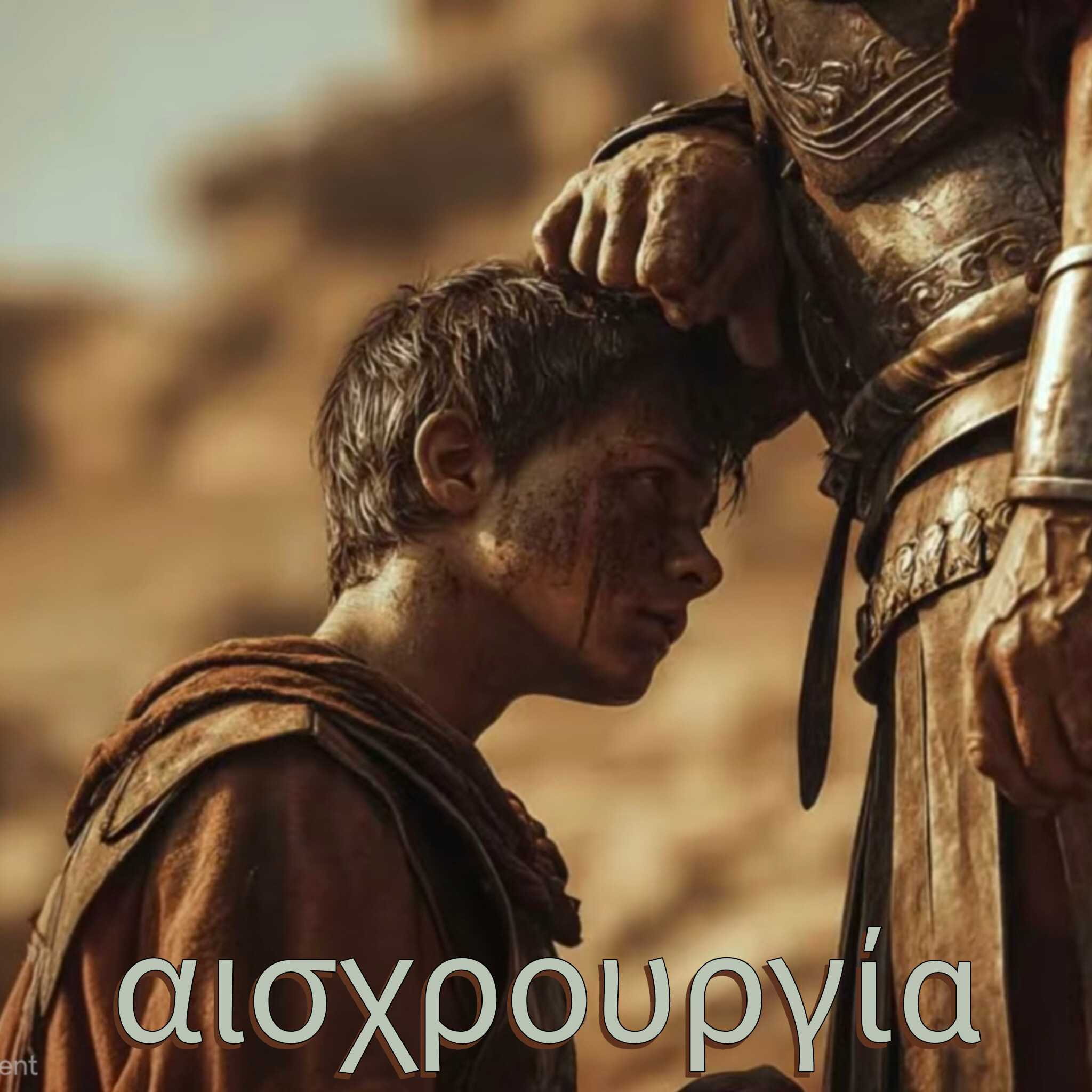
αἰσχρουργία (aischrourgia) - obscene act
αἰσχρός (aischros) + ἔργον (ergon)
- Epiphanius - Panarion
- aischrourgia and glottodepsein and fellatio
- Terms
- Another translation of the emission sharing.
- Who is the woman by his side?
- Lucian gives some insight to aischrourgía in his Pseudologista
- The Teaching of the 12 Apostles
- More Reading
Epiphanius - Panarion
Mary and Jesus up to the mountain, drinking semen, Bacchic mystery. Takes her from his "side" (pleurās (Πλευρᾶς) from his side, not rib - just like Adam takes eve from his side in Genesis, forced to be the receptacle of the hyma (αἷμα) from Jesus. Makes sense why they called her a prostitute. As a part of salvation. (Epiphanius is criticizing heretic sects, in this case the gnostics).
Source
- Epiphanius (Ἐπιφάνιος)
- Panarion (Πανάριον)
- Against Gnostics, or Borborites (Κατὰ Γνωστικῶν τῶν καὶ Βορβοριτῶν)
- Date: c. 374–377 CE
- Author: Epiphanius of Salamis (Church Father)
- Work Name: Πανάριον ("Medicine Chest")
- Purpose: Catalog and refute heresies (80 of them!)
Here, Epiphanius is criticizing the gnostics by showing what they tell us in a lost text "Greater Questions of Mary". Epiphanius therefore is our only surviving primary witness to access that lost text (important: his attestation is via hostile quotation, not neutral transmission). Without Epiphanius, the Greater Questions of Mary as a primary source text is gone.
What helps readers understand Epiphanius of Salamis here is to see that his aim is not neutral reportage but containment: writing as a late-fourth-century bishop whose life’s work was to catalogue, delimit, and morally discredit what he regarded as deviant Christianities, he stages his polemic by ventriloquizing his opponents’ own claims, especially where they sound most scandalous to a catholic audience. In this passage he is not inventing obscenity ex nihilo; he is asserting that certain Gnostic groups themselves followed a now-lost revelatory book - usually called the Greater Questions of Mary - and that they read canonical sayings through it.
His strategy is to quote, paraphrase, and gloss these alleged teachings so that the sexualized ritual language (aporroia (ἀπόρροια), aischrourgía (Αἰσχρουργία), egkatamignusthai (ἐγκαταμίγνυσθαι)) becomes the interpretive key, thereby collapsing the highly technical Gnostic “mystery” into base “obscenity.”
That move serves a double purpose: it paints the Gnostics as morally dangerous (their practices produce aischrotes (αἰσχρότης)) and epistemically unreliable (they are “not yet established in the pleroma (πλήρωμα)”), while also warning his readers that such texts and readings - precisely because they claim secret authority from Jesus - must be excluded from the church’s scriptural economy.
In short, Epiphanius’ goal is not to preserve the Greater Questions of Mary but to neutralize its authority by reframing it as proof of the heresy’s own corruption.
Generally, as seen over countless empires and religions, the way to change the past isn't to deny the past, but to reframe the as a more accurate truth that the new empire/religion owns, which is what Epiphaneus is attempting here by quoting the lost text's technicalities, but then providing his reframed judgemental commentary. Epiphanius almost certainly quotes selectively and strategically, not exhaustively or neutrally, but the fact that he reveals these components consistent with earlier mystery practices in early christian cult and pre-christian echidnaic cult, is telling, because it's recognizable.
The reality of Greater Questions of Mary (given to us via Epiphanius) is, after ignoring his commentary, after trusting that what these groups are alleged by Epiphanius to have taught/practiced, is that the lost text gives us insight into the real technicality of the Gnostic cult following the core mystery rite teachings of Jesus, which involved pharmakon and sexual acts and substances. Clearly the Catholic cult would be very motivated to erase this, especially when seeding a new government for congtrol and power of the general people, they had to sanitize.
The early Christians that Epiphanius is quoting from "Questions about Mary", are quoting the teachings of Jesus as outlined in the Greek New Testament.
Epiphanius of Salamis, Panarion 26.8
8. And their books, for their part, are many.
ἐρωτήσεις γάρ τινας Μαρίας ἐκτίθενται,
For they set forth certain Questions of Mary,
ἄλλοι δὲ εἰς τὸν προειρημένον Ἰαλδαβαὼθ εἰς ὄνομα τε τοῦ Σὴθ πολλὰ βιβλία ὑποτίθενται·
and others attribute many books to the previously mentioned Ialdabaoth and also to the name of Seth;
ἀποκαλύψεις δὲ τοῦ Ἀδὰμ ἄλλα λέγουσιν,
and they speak of other Revelations of Adam,
εὐαγγέλια δὲ ἕτερα εἰς ὄνομα τῶν μαθητῶν συγγράψασθαι τετολμήκασιν,
and they have dared to compose other gospels in the names of the disciples,
αὐτὸν δὲ τὸν σωτῆρα ἡμῶν καὶ κύριον ἰησοῦν χριστὸν οὐκ αἰσχύνονται λέγειν ὅτι αὐτὸς ἀπεκάλυψε ταύτην τὴν αἰσχρουργίαν.
and they are not ashamed to say that our very savior and lord of the realm Jesus the christed one himself revealed this disgraceful / shameful / obscene practice.
ἐν γὰρ ταῖς ἐρωτήσεσι Μαρίας καλουμέναις μεγάλαις
For in the so-called Great Questions of Mary
(εἰσὶ γὰρ καὶ μικραὶ αὐτοῖς πεπλασμέναι)
(for there are also Small ones fabricated by them),
ὑποτίθενται αὐτὸν αὐτῇ ἀποκαλύπτειν,
they assert that he reveals things to her,
παραλαβόντα αὐτὴν εἰς τὸ ὄρος καὶ εὐξάμενον
having taken her up into the mountain (uplands, high ground, hills) and having prayed,
καὶ ἐκβαλόντα ἐκ τῆς Πλευρᾶς αὐτοῦ γυναῖκα
and having brought forth a woman from his side,
καὶ ἀρξάμενον αὐτῇ ἐγκαταμίγνυσθαι,
and having begun to mix oneself into with her,
καὶ οὕτως δῆθεν τὴν ἀπόρροιαν αὐτοῦ μεταλαβόντα δεῖξαι ὅτι «δεῖ οὕτως ποιεῖν, ἵνα ζήσωμεν»,
and thus, so they claim, by sharing in his discharge / emission (semen) to show that “it is necessary to do thus, so that we may live,”
καὶ ὡς τῆς Μαρίας ταραχθείσης καὶ πεσούσης χαμαὶ
and how, when Mary was disturbed and fell to the ground,
αὐτὸν πάλιν αὐτὴν ἐγείραντα εἰπεῖν αὐτῇ «ἵνα τί ἐδίστασας, ὀλιγόπιστε;»
he again raised her up and said to her, “Why did you doubt, O you of little faith?”
καί φασιν ὅτι τοῦτό ἐστι τὸ εἰρημένον ἐν τῷ εὐαγγελίῳ,
And they say that this is what is said in the gospel,
ὅτι «εἰ τὰ ἐπίγεια εἶπον ὑμῖν καὶ οὐ πιστεύετε, τὰ ἐπουράνια πῶς πιστεύσετε;»
that “If I told you earthly things and you do not believe, how will you believe heavenly things?”
καὶ τό «ὅταν ἴδητε τὸν υἱὸν τοῦ ἀνθρώπου ἀνερχόμενον ὅπου ἦν τὸ πρότερον»,
and the saying, “When you see the Son of Man ascending to where he was before,”
τουτέστιν τὴν ἀπόρροιαν μεταλαμβανομένην ὅθεν καὶ ἐξῆλθεν,
that is, the discharge / emission (semen) being taken back up to where it came from,
καὶ τὸ εἰπεῖν «ἐὰν μὴ φάγητέ μου τὴν σάρκα καὶ πίητέ μου τὸ αἷμα»
and the saying, “Unless you eat my flesh and drink my hyma (blood or semen),”
καὶ τῶν μαθητῶν ταρασσομένων καὶ λεγόντων «τίς δύναται τοῦτο ἀκοῦσαι;»
and the disciples being disturbed and saying, “Who is able to hear this?”
φασὶν ὡς περὶ τῆς αἰσχρότητος ἦν ὁ λόγος.
they claim that the words were about obscenity (possibly: filthy conduct; euphemism for fellatio).
διὸ καὶ ἐταράχθησαν καὶ ἀπῆλθον εἰς τὰ ὀπίσω·
Therefore they were disturbed and went away backward;
οὔπω γὰρ ἦσαν, φησίν, ἐν πληρώματι ἐστερεωμένοι.
for they were not yet, he says, firmly established in the spiritual / cosmic fulfillment.
καὶ τὸ εἰπεῖν τὸν Δαυίδ «ἔσται ὡς τὸ ξύλον τὸ πεφυτευμένον παρὰ τὰς διεξόδους τῶν ὑδάτων,
And the saying of David, “He shall be like the wooden thing / tree planted by the outlets of the waters,
ὃ τὸν καρπὸν αὐτοῦ δώσει ἐν καιρῷ αὐτοῦ»
which will give its fruit in its season,”
περὶ τῆς αἰσχρότητος τοῦ ἀνδρός, φησί, λέγει.
he says, speaks about the obscenity (possibly: filthy conduct; euphemism for fellatio) of the man.
«ἐπὶ τὴν ἔξοδον τῶν ὑδάτων» καί «ὃ τὸν καρπὸν αὐτοῦ δώσει»
“By the outlet of the waters” and “which will give its fruit,”
τὴν τῆς ἡδονῆς ἀπόρροιαν, φησί, λέγει·
he says, refer to the discharge / emission (semen) of pleasure;
καί «τὸ φύλλον αὐτοῦ οὐκ ἀπορρυήσεται»,
and “its life-product shall not leak away (be lost),”
ὅτι οὐκ ἐῶμεν, φησίν, αὐτὸ χαμαὶ πεσεῖν,
because, he says, we do not allow it to fall to the ground,
ἀλλὰ αὐτοὶ αὐτὸ ἐσθίομεν.
but ourselves, we eat it.
aischrourgia and glottodepsein and fellatio
A grammarian from 12th century defines glottodepsein as aischrourgia:
aischrourgein (Αἰσχρουργεῖν)
λεσθαι.
Γλωττοδεψεῖν: Αἰσχρουργεῖν.
Γλώσσαργον: Στόμαργον, ἢ ταχύγλωσσον.
glottodepsein (Γλωττοδεψεῖν)
A.fellare, Com.Adesp.32 D.
fellare (Latin)
Terms
With that out of the way, let's summarize the terms seen in the passage above
- αἷμα (Hyma) - essence, which could be blood or semen. Semen was considered a form of blood. see Hyma
- phullon (φύλλον) - life-product; that which has grown out from the living source; a produced vitality; (such as leaves, hyma, etc)
- ἐγκαταμίγνυσθαι (egkatamignusthai) - to mix oneself into, to intermingle with, to commingle with; here it means to do a sexual act with
- αἰσχρότητος (aischrotetos) - (αἰσχρός + -της): shamefulness, disgrace, obscenity which Names a state, quality, or condition; Moral or social assessment; shamefulness of the man as what he is / what clings to him.
- can mean filthy conduct AND euphemism for fellatio (according to the lexicon).
- αἰσχρουργία (aischrourgía) - (αἰσχρός + ἔργον): disgraceful, shameful, obscene work which Names an act, practice, or performance; the shame-act of the man is what he does;
- Derived from αἰσχρός (aischrós), meaning "shameful" or "dishonorable", or "obscenity", but can be a euphemism for fellatio.
- Fellatio?? - αἰσχρότης (aischrotes = αἰσχρός + -της) can be a euphamism for fellatio [lexicon].
- Also, keep in mind that 1800's LSJ sexually repressed puritanical Victorians framed this term as shameful, when aischrotetos (αἰσχρότητος) can be a euphemism for fellatio.
- see section above where glottodepsein (Γλωττοδεψεῖν) means fallare (fellatio) which is aischrourgía (αἰσχρουργία)
- Even if it was not directly fellatio - obscene act here in this scene is definitely referring to what Mary's doing by Jesus's pleura (side), "eating" his "emission" so that "they may live". You figure it out...
- Lucian gives oral definition to this term in his comedy satire below. Depicting aischrourgia via a hired youth holding an erect-vertical-straight-hard pole / rod / lever poking a cyclops (pedarast) eye, missing it hits his mouth instead (it's comedy).
- Lucian's aischrourgia refers specifically to the fellatio in that scene.
- ἀπόρροιαν (aporrian) - Emission, Discharge. Semen. This is a technical term used in Gnostic and mystery language for semen, life-force, or spiritual substance — often described as something to be received, reabsorbed, or sacramentally consumed. Literally: Discharge, flow. The term comes from ἀπόρροος (áporroos), meaning "flowing away" or "discharging."
- πληρώματι (plērómati) - Fullness, completion. From πλήρωμα (plēróma), meaning "fulfillment" or "fullness" in a spiritual or cosmic sense.
- Διεξόδους (diexódous) - Exits, outlets. Derived from διέξοδος (diéxodos), meaning "a way out" or "an exit."
- Ἡδονῆς (hēdonēs) - Pleasure. Derived from ἡδονή (hēdonē), meaning "pleasure" or "delight."
- Πλευρᾶς (pleurās) - Side. This word comes from πλευρά (pleurá), meaning "side" often used metaphorically in biblical and mythological contexts. We also see this "side" language in Genesis as well.
- “We eat it”: A literal statement in this polemical context, meant to expose what Epiphanius considered ritual sexual sacrament.
- ἐκβαλόντα (ekbalonta) - from ἐκβάλλω (ekballo), to cast out, cast off, produce, produce forth, expel
- μεταλαβόντα (metalabonta) - from μεταλαμβάνω (metalambano), to receive, take part of, take in exchange, transferred
- Μαρίας (María) - Mary. Refers to Mary of Magdalene. Here, a spiritual partner or recipient of secret knowledge.
- Ἰαλδαβαώθ (Ialdabaōth) - That Kurios/LordOfTheRealm in Genesis. A name associated with the demiurge, often regarded by Gnostics and Polytheists as a false god creator figure in Old Testament / Genesis.
- The figure Ialdabaōth comes from Gnostic writings, especially found in:
- The Apocryphon of John
- Pistis Sophia
- On the Origin of the World
- Hypostasis of the Archons
- These are non-canonical works preserved mostly in Coptic in the Nag Hammadi Library, dating to the 2nd–4th century CE.
- The figure Ialdabaōth comes from Gnostic writings, especially found in:
- Σὴθ (Sēth) - Seth, referring to the biblical figure or Gnostic interpretation of Seth, often associated with knowledge or a salvific line.
- Αποκαλύψεις (apokalypsis) - Revelations, disclosures. This noun comes from ἀποκαλύπτω (apokalyptō), meaning "to reveal" or "to uncover."
- Κύριος (kúrios) - Means lord of the realm or one of the gods. A title used for Jesus the christed one in the New Testament (Greek - Nestle 1904) and Yahweh in the Old Testament (Greek - Septuagint / Swete 1930), signifying divinity and authority.
Another translation of the emission sharing.
The Aion took a crack at it as well.
and casting forth the woman from his side, he was beginning to intermingle with her, and truly so upon receiving his emission he would demonstrate that, "it is necessary to do this, in order that we may live"
translated by Aion
The selection of "intermingle" is to show there was some sexual activity between Mary and Jesus. The usage of the word ἐγκαταμίγνυσθαι can mean different things according to context. Here I believe it refers to oral intercourse.
Who is the woman by his side?
Some translators think there are 3 people in this scene: Mary, Jesus, and an unnamed woman from Jesus's side (pleuras).
However there are only 2
The “woman from his side (πλευρά)” is Mary herself, described through ritual-allegorical language, not the introduction of a new character.
Below is how we know—from the Greek grammar alone.
The decisive phrase:
καὶ ἀρξάμενον αὐτῇ ἐγκαταμίσγεσθαι
- γυναῖκα = a woman (accusative, indefinite)
- αὐτῇ = to her (dative feminine singular)
- There is no new name, no article, no δεύτερη ἀναφορά (“another woman”)
Greek narrative requires explicit marking if a new character enters.
It does not do that here.
Also, Scandel
The polemicist wants the reader to hear:
That is precisely what makes the story scandalous.
Introducing a third person would weaken the attack.
And Grammar
Greek does not introduce a new acting person with only γυνή + pronouns already bound to someone else.
This would be considered bad Greek and confusing to an ancient reader.
Ancient audiences were far more sensitive to referent tracking than modern readers.
Lucian gives some insight to aischrourgía in his Pseudologista
aischrourgía (Αἰσχρουργία) is not a word used very often
Below:
- Αἰσχρουργία (aischrourgía) - (αἰσχρός + ἔργον): Disgraceful, shameful, obscene work or act.
- Derived from αἰσχρός (aischrós), meaning "shameful" or "dishonorable" or "obscene".
- Lucian uses this term to mean fellatio below.
- and comes from αἰσχρότητος (aischrotetos) - (αἰσχρός + -της): shamefulness, disgrace, obscenity, which can mean filthy conduct AND euphemism for fellatio (according to the lexicon).
- Cyclops (Κύκλωψ) - pedarast humans
- neanias de hupomisthos orthon exhoun ton mochlon (νεανίας δὲ ὑπόμισθος ὀρθὸν ἔχων τὸν μοχλὸν) - hired young man holding an erect/vertical pole - euphemism for penis.
- in Greek satirical and comic discourse, ὀρθός + μοχλός is sexual slang, intentionally. There is no neutral register available once those two words are paired.
- Comic Greek routinely uses ὀρθός for:
- erections
- aroused states
- μοχλός is a penetration instrument by definition
- lever
- pry-bar
- stake
- bar used to force open doors, gates, bodies
- Its core function is insertion + force + leverage
- In satire, that function becomes metaphorical immediately.
- ὀρθὸς μοχλός (erect bar) is never neutral in satire because:
- ὀρθός signals erection in comic Greek
- μοχλός is inherently penetrative
- epithumesas (ἐπεθύμησας) - you lusted for; epithumia (epi=upon thumia=spirited drive)
- muron (μύρῳ) - oil as a carrier for substances like nard or myrrh; perfumed oil; ointment
- christing (χρίεσθαι) - to apply or smear or rub to the surface of the skin
In this passage, Lucian uses aischrourgía (αἰσχρουργία) to include and strongly imply fellatio, especially:
- hired fellatio
- performed as spectacle or reenactment
- involving shame, drunkenness, and parody
Here in the Greek Comic Satire:
- The stake = phallus ὀρθὸς μοχλός (erect bar)
- Cyclopean parody (Polyphemus / Odysseus = phallic violence)
- The eye / mouth / body = orifice
- The upright posture = readiness / arousal
- drunken reenactments
- Homeric allusion/parody
- Sexual innuendo
- Moral ridicule
Ψευδολογιστής (Pseudologistes)
Section 27 (27)
ἐν Ἰταλίᾳ δέ, βαβαί,
But in Italy—alas!
v.5.p.406
ἡρωϊκὸν ἐκεῖνο ἐπεκλήθης, ὁ Κύκλωψ,
you were given that heroic title: the Cyclops,
ἐπειδή ποτε καὶ πρὸς ἀρχαίαν διασκευὴν
because once, in the course of an archaic reenactment,
παρʼ αὐτὰ τὰ τοῦ Ὁμήρου ῥαψῳδῆσαι
you even wanted to rhapsodize (perform right out of) Homer himself
καὶ σὺ τὴν αἰσχρουργίαν ἐπεθύμησας.
and you, the fellatio (disgraceful / shameful act) that you lusted for (upon spirited drive).
καὶ αὐτὸς μὲν ἔκεισο μεθύων ἤδη,
And you yourself were already lying there drunk,
κισσύβιον ἔχων ἐν τῇ χειρί,
holding a wine-cup in your hand,
βινητιῶν Πολύφημος,
playing the lewd Polyphemus (lusting for sexual copulation),
νεανίας δὲ ὑπόμισθος ὀρθὸν ἔχων τὸν μοχλὸν
a young man (νεανίας), but hired, holding (ἔχων) the upright/straight/erect/vertical (ὀρθὸν) stake/pole (μοχλὸν),
εὖ μάλα ἠκονημένον ἐπὶ σὲ
sharpened very well against you,
Ὀδυσσεύς τις ἐπῄει ὡς ἐκκόψων τὸν ὀφθαλμόν·
came at you like some Odysseus, about to gouge out your eye;
κἀκείνου μὲν ἅμαρτε, παραὶ δέ οἱ ἐτράπετʼ ἔγχος,
and he missed him, and the spear veered aside,
αἰχμὴ δʼ ἐξεσύθη παρὰ νείατον ἀνθερεῶνα.
and the spear-point dragged/scraped along the lowest part of the chin/neck/throat/mouth.
(καὶ γὰρ οὐδὲν ἄτοπον ὑπὲρ σοῦ λέγοντα ψυχρολογεῖν.)
(For it is hardly absurd to indulge in tasteless wit when speaking about you.)
σὺ δὲ ὁ Κύκλωψ,
But you, Cyclops,
ἀναπετάσας τὸ στόμα καὶ ὡς ἔνι πλατύτατον κεχηνώς,
spread out (throw wide) your mouth spread wide and gaping as broadly as possible,
ἠνείχου τυφλούμενος ὑπʼ αὐτοῦ τὴν γνάθον,
endured having your jaw/cheek blinded by him,
(note: γνάθος = jaw / mouth area, not “eye” here — Lucian is twisting the Homeric scene)
μᾶλλον δὲ ὥσπερ ἡ Χάρυβδις
or rather, like Charybdis,
αὐτοῖς ναύταις καὶ πηδαλίοις καὶ ἱστίοις
with sailors themselves, rudders, and sails,
ὅλον ζητῶν καταπιεῖν τὸν Οὖτιν.
trying to gulp or swallow down Outin (Nobody) whole.
καὶ ταῦτα ἑώρων καὶ ἄλλοι παρόντες.
And others who were present saw all this too.
εἶτά σοι ἐς τὴν ὑστεραίαν μία ἦν ἀπολογία ἡ μέθη
Then, on the following day, your sole excuse was drunkenness,
καὶ ἐς τὸν ἄκρατον ἀνέφευγες.
and you fled for refuge to unmixed wine.
- aischroutetos (αἰσχρότητος) - (αἰσχρός + -της): shamefulness, disgrace, obscenity which Names a state, quality, or condition; Moral or social assessment; shamefulness of the man as what he is / what clings to him.
- can mean filthy conduct AND euphemism for fellatio (according to the lexicon).
- aischrourgian (αἰσχρουργίαν) - shameless conduct and obscene act (possible: euphemism for fellatio). NOTE: This term comes from αἰσχρότητος, which can be a euphemism for fellatio.
- In This Lucian comedy/satire, aischrourgian DEFINITELY is referring to fellaio, even if it doesn't exactly mean it (though there is lexicon evidence that aischrourgia can be a euphemism for fellatio!)
- epethumesas (ἐπεθύμησας) - longing or lusting after someone, covet and desire, lust
- neanias (νεανίας) - youth, young man (older than a neaniskos, making small)
- mochlon (μοχλὸν) - rod/lever, euphemism for penis (in context of lucian's satire/comedy)
- Polyphemus (Πολύφημος) - poseidon and the nymphs one of the Cyclops, a maneater, do you get it?
Ψευδολογιστής (Pseudologistes)
Section 31 (31)
πολλὰ ἔτι ἔχων εἰπεῖν,
Though I still have many things to say,
τὰ μὲν ἄλλα ἑκὼν ἀφίημί σοι,
I willingly let the rest pass by you,
ἐκεῖνο δὲ μόνον προσλέγω,
but this one thing alone I add:
πρᾶττε μὲν ταῦτα ὅπως σοι φίλον
do these things in whatever way pleases you,
καὶ μὴ παύσαιο τὰ τοιαῦτα ἐς ἑαυτὸν παροινῶν,
and do not stop committing such excesses against yourself,
ἐκεῖνο δὲ μηκέτι, ἄπαγε·
but that other thing—no longer, away with it!
οὐ γὰρ ὅσιον ἐπὶ τὴν αὐτὴν ἑστίαν
for it is not lawful to the same hearth
τοὺς ταῦτα διατιθέντας καλεῖν
to invite those who arrange such things,
καὶ φιλοτησίας προπίνειν
and to drink to friendship,
καὶ ὄψων τῶν αὐτῶν ἅπτεσθαι.
and to partake of the same dishes.
ἀλλὰ μηδὲ ἐκεῖνο ἔστω τὸ ἐπὶ τοῖς λόγοις, φιλήματα,
Nor let this accompany your words—kisses,
καὶ ταῦτα πρὸς τοὺς οὐ πρὸ πολλοῦ
and those directed toward people who not long ago
ἀποφράδα σοι ἐργασαμένους τὸ στόμα.
made your mouth accursed.
κἀπειδήπερ ἅπαξ φιλικῆς
And since once and for all I have begun a friendly
v.5.p.412
παραινέσεως ἠρξάμην,
piece of advice,
κἀκεῖνα, εἰ δοκεῖ, ἄφελε,
remove those things too, if you agree—
τὸ μύρῳ χρίεσθαι τὰς πολιὰς
the muron (perfumed oil / ointment) christing of the gray hair
καὶ τὸ πιττοῦσθαι μόνα ἐκεῖνα.
and the application of pitch to those parts alone.
εἰ μὲν γὰρ νόσος τις ἐπείγει,
For if some illness presses upon you,
ἅπαν τὸ σῶμα θεραπευτέον,
the whole body must be treated;
εἰ δὲ μηδὲν νοσεῖς τοιοῦτο,
but if you suffer from no such ailment,
τί σοι βούλεται καθαρὰ καὶ λεῖα καὶ ὀλισθηρὰ
what is your intention in making clean and smooth and slippery
ἐργάζεσθαι ἃ μηδὲ ὁρᾶσθαι θέμις;
things that are not even permitted to be seen?
ἐκεῖνό σοι μόνον σοφόν,
This alone is wise for you:
αἱ πολιαὶ καὶ τὸ μηκέτι μελαίνεσθαι,
gray hair and no longer blackening it,
ὡς προκάλυμμα εἶεν τῆς βδελυρίας.
so that they may serve as a covering for your foulness.
φείδου δὴ αὐτῶν πρὸς Διὸς κἀν τούτῳ,
Spare them then, by Zeus, even in this,
καὶ μάλιστα τοῦ πώγωνος αὐτοῦ,
and especially the beard itself,
μηδὲ μιάνῃς ἔτι μηδὲ ὑβρίσῃς·
neither defile it further nor outrage it;
εἰ δὲ μή, ἐν νυκτί γε καὶ σὺν σκότῳ,
and if not—at least do it by night and in darkness,
τὸ δὲ μεθʼ ἡμέραν, ἄπαγε,
but in daylight—away with it!
κομιδῇ ἄγριον καὶ θηριῶδες.
it is utterly savage and bestial.
- ἔγχος / αἰχμή — spear vocabulary, euphemism for penis here
- ἀνθερεῶνα - chin/neck/throat/mouth
- ἀναπετάσας - spread out or unfold, throw wide, to open,
- πλατύτατον - spreading
- κεχηνώς — gaping wide (also sexually charged in satire)
- γνάθον - towards the the jaw, the cheek
- καταπιεῖν - gulp or swallow down liquids and solids; swallow consume; swallow absorb
We're just picking out these words in this text that are describing the guy who's putting a rod into someone's neck, mouth, chin area, causing them to swallow something. And we're talking about aischrougia (obscene act) with epithumeia (lust). So, we're talking about an obscene act with a sexual desire involved (aischrougia) and the term to come together in a sexual way (epithumia).
This is what we're talking about in Lucian with aischrougia.
And it's saying he's putting it into a youth's (neanias) mouth area, and it's spreading wide. And causing them to swallow something (what else could it be but Hyma/αἷμα?). So, opening of the mouth wide to swallow, possibly Hyma/αἷμα / "essence", which is any life-sustaining or life-creating bodily fluids like blood or semen (which is a refinement of blood, in Greek thought) both of which support or create zoe (life). And being in a sexually desirable state, epithumisas (lust).
Lucian is describing the SAME THING that Jesus and Mary was doing in the hills with the Flesh and Hyma/αἷμα, by those gnostic heretics, in Epiphanius Panarion.
Lucian lived 125-180 CE. Contemporary to the apostle gospel writings.
The Teaching of the 12 Apostles
We're talking about the gnostics and their sexual rites in Epiphanius.
So this is the teachings of the twelve apostles.
The Didache Toun Doudeka Apostoloun (AIAAXH TQN AQAEKA ATIOZTOAQON).
- an ancient Greek text known as the Didachē
So there are two roads:
- One of life (μία τῆς ζωῆς) and
- one of death (μία τοῦ ϑανάτου).
AIAAXH TQN AQAEKA ATIOZTOAQON
[Start]
Κεφ. α΄. Ὃδοὶ δύο εἰσί, μία τῆς ζωῆς καὶ μία τοῦ ϑανάτου,
There are two ways: one of life, and one of death.”
Now what are they referencing here? Because we just looked at Epiphanius (above) talking about gnostics and their sexual rights. What are the apostles talking about to their own followers just after Jesus died? These teachings, what are they saying?
That there are two ways: one of life, one of death.
In Greek, what are the words that they are using and telling people who are following them not to do? Because the early Christians, we know that from what we just saw (above), that they are using sexual rights in their religious context in the name of Jesus.
οὐ μοιχεύσεις, οὐ παιδοφϑορήσεις, οὐ πορνεύσεις,
This says stop doing moicheuseis (μοιχεύσεις) and stop being paido-thoretic (παιδοφϑορήσεις). Stop doing pythorasis (πορνεύσεις). Now, paido (παιδο) means children and thoracis (ϑορήσεις) means to corrupt children.
Now you probably know what we're talking about in this case. So apostles themselves are telling their followers to stop corrupting boys. What do you think that means? Because these are the people who are translating this into corrupting. So they're saying stop doing the porneuseis (πορνεύσεις) (stop doing pornea). Stop doing moicheuseis (μοιχεύσεις). Stop being paidophthoretic (παιδοφϑορήσεις). So they're saying don't commit adultery (sexual acts). Stop corrupting young boys (paido/παιδο). And it says stop committing fornication / porneuseis (πορνεύσεις) (do not have sex).
oὐ κλέψεις, οὐ μαγεύσεις, οὐ φαρμακεύσεις, οὐ
φονεύσεις τέκνον ἐν φϑορᾷ οὐδὲ γεννηζὲν ἀποκτενεῖς.
Οὐκ ἐπιϑυμήσεις τὰ τοῦ πλησίον,
Now in Greek it also says do not "mageuseis (μαγεύσεις)" (perform magic) and do not pharmakeuseis (φαρμακεύσεις) stop using the drugs. It says stop using drugs, magic and stop having sex and stop corrupting children, boys.
This is what the apostles themselves are saying.
So we know that the apostles are telling their followers to stop doing these things with children, to stop doing these sexual acts, to stop using drugs, and stop doing magic.
This is what the apostles are saying to their own followers.
I don't know how much clearer I need to be with this because if this wasn't happening and Epipanius was making this up, then why are the apostles themselves saying the same things like Epiphanius was saying, "stop doing all these things".
Now, I'll show you from the lexicon moicheuou (μοιχ-εύω) is to commit adultery.
A.commit adultery with a woman, debauch her, c. acc., Ar.Av.558, Lys. 1.15, Pl.R.360b:—Pass., of the woman, Ar.Pax980 (anap.); “μοιχευθῆναί τινι” Arist.HA586a3; μεμοιχεῦσθαι ὑπ᾽ ἀλλήλων, of birds, ib.619a10.
2. metaph., worship idolatrously, “τὸ ξύλον καὶ τὸν λίθον” LXX Je.3.9.II. intr., commit adultery, Xenoph.11.3; “ἐμοίχευσάς τι” Ar.Nu.1076, cf. X.Mem.2.1.5, Arist.EN1129b21.
III. metaph., in fut. Med. (in pass. sense), οὐ μοιχεύσεταί μου τὰ φιλήματα her kisses shall not be adulterously stolen from me, Ach.Tat.4.8.
- moicheuou (μοιχεύω) - commit adultery, debauch, worship idolatrously.
They are relating sexual acts with idolatry.
and to be paidophthoretic (παιδοφθόρος)...
Clem. Αl. 85, 123; and παιδοφθορία, ή, seduction of boys, Id. 223.
- paidophthoretic (παιδοφθόρος) - seduce boys
...is to seduce boys in the lexicon. The seduction of boys. In the "Didache" (The Teaching of the 12 Apostles) they wanted to translate it as "corruption", but in the lexicon to be paidophthoretic is to "seduce boys". Okay? We're talking about sexually seducing young children.
Okay, now you understand Mark 14:51-52 when Jesus was caught with a n4k3d boy (gumnos neaniskos) in the garden of Gethsemenie, which got him arrested and punished by crucifixion, a punishment reserved for the most heinous of crimes.
All the evidence is in the lexicon and in the bible.
More Reading
- Who would do such rites?
- Bes Vase - Archeological evidence from Egypt (300BCE-300CE) showing bodily fluids were used
- Interview - Danny Jones - Ancient Language Experts CLASH - Ammon Hillman & Luke Gorton (2026-01-10) - talks about the above translation
- Here we see Luke fumble around, like he was too unfamiliar.
- The translation above, and LH's analysis here makes it clear:
- LH's analysis: [link]