![[back]](/assets/home_24dp_E3E3E3_FILL0_wght400_GRAD0_opsz24.svg "[back]")
![[search]](/assets/search_24dp_E3E3E3_FILL0_wght400_GRAD0_opsz24.svg "[search]")
Wormwood
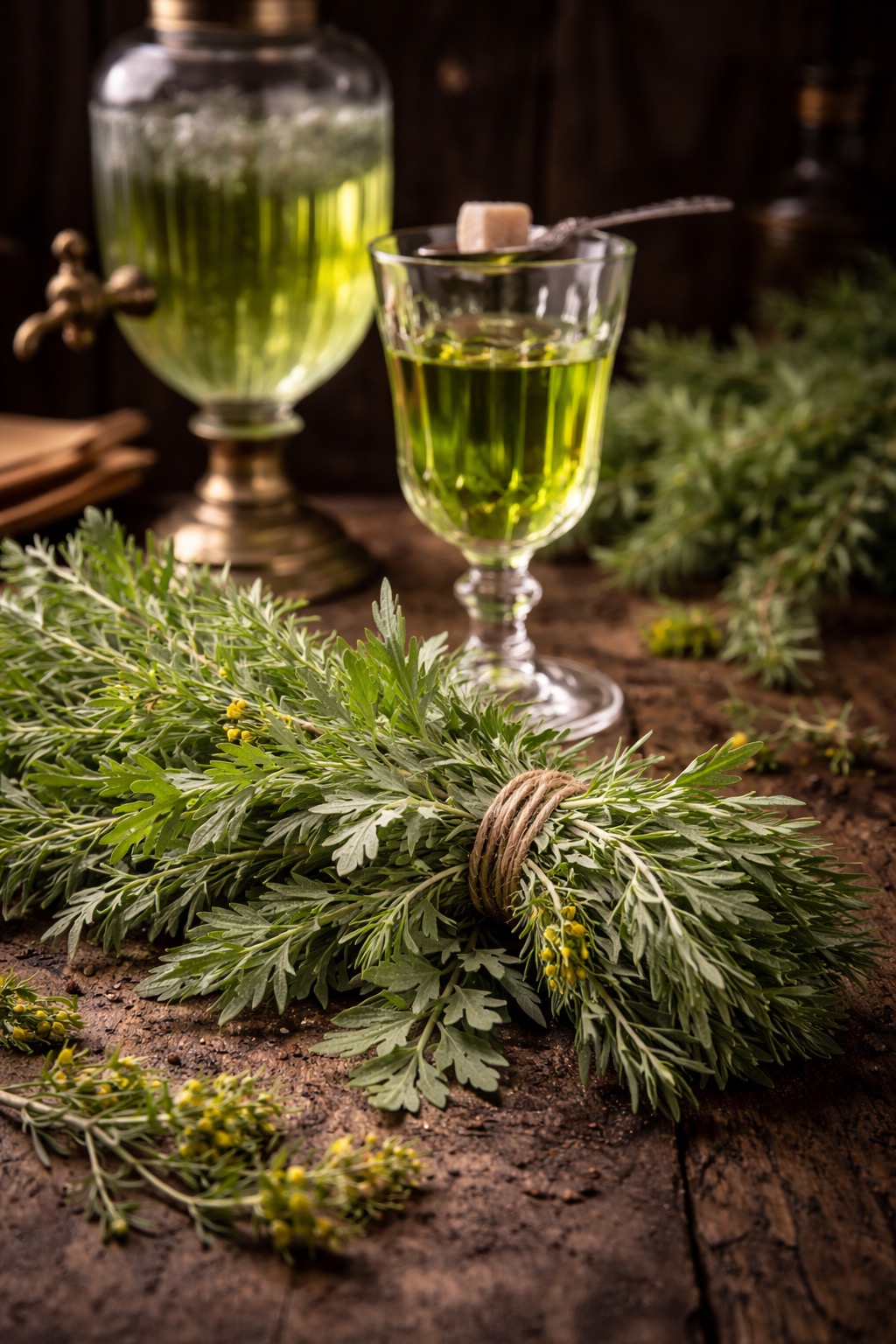
Wormwood
In Ancient Greek Texts
- apsinthion (ἀψίνθιον) - wormwood
Wormwood’s Greek name apsinthion (ἀψίνθιον) is already a clue: it’s proverbially bitter, and Greek medical/pharmacological tradition leans on it for digestive complaints and related uses. The UCLA “Old Herbs” project summarizes that De materia medica attributes many indications to wormwood and includes practical household uses too (repelling pests, protecting materials).
Importantly for your pharmakon-through-wine theme: wormwood also becomes a canonical bittering agent in alcoholic preparations (later famously “absinthe/vermouth” traditions), but the ancient core is the same: bitterness as a physiological tool (appetite/digestion) and as a countermeasure for nausea and “drunkenness” aftereffects in medicalized framing.
In the biblical texts
Wormwood is an ingredient once used to make the alcoholic drink absinthe, which is long associated with hallucinogenic properties. Although, the source of this hallucinogenic quality is highly debated. Most recently, analysis of old bottles of absinthe from 19th century Europe show that the drink contains 140-proof alcohol, which is substantially stronger than the 100-proof found in gins, vodkas, and whiskeys.
The plant also produces a unique chemical compound called thujone. In small doses, thujone is rumored to inspire high spirits and a good mood. But, more generally, thujone is considered a poison. In large doses, it can cause potentially life-threatening seizures. In the bible, the bitter herb is most often referred to as a poison, like in the passage from Jeremiah 9:15, “I will feed them, even this people, with wormwood, and give them water of gall to drink.” Other passages that mention wormwood include Proverbs 5:4 and Revelation 8:11.