![[back]](/assets/home_24dp_E3E3E3_FILL0_wght400_GRAD0_opsz24.svg "[back]")
![[search]](/assets/search_24dp_E3E3E3_FILL0_wght400_GRAD0_opsz24.svg "[search]")
Poppy - Papaver somniferum
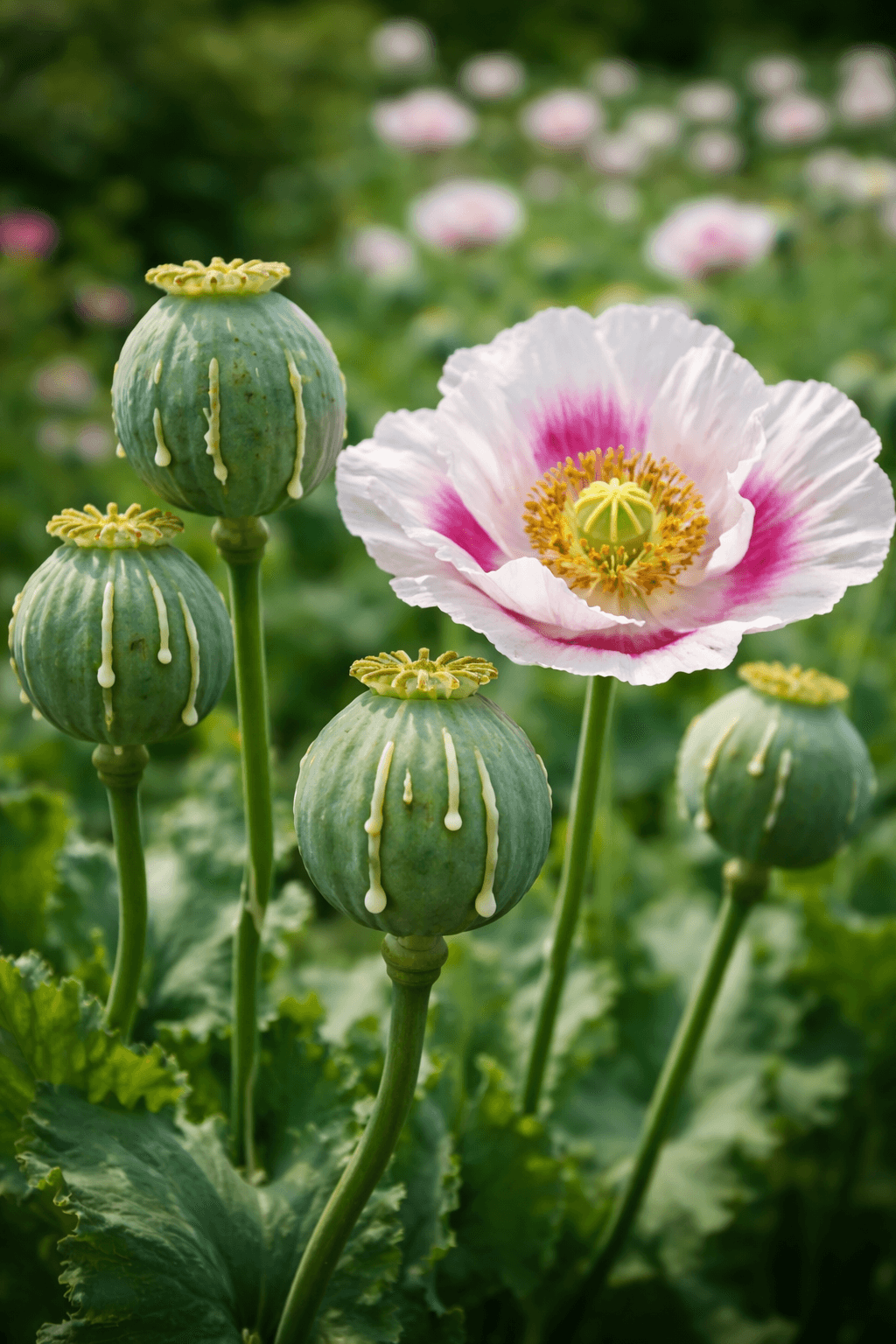
Papaver somniferum
Opium was a botanical product frequently used in the ancient world.
It was used to treat pain, and used as an ingredient in compound (polythronic) pharmakon.
In Ancient Greek Texts
Poppy sits at the heart of ancient Mediterranean pharmakon tradition because its effects map cleanly onto core medical needs: sleep and pain. A scholarly review of psychoactive plants in ancient Greece notes that nepenthe (the “anti-sorrow pharmakon” in Homeric epic) has been argued as possibly opium-based and connects poppy/opium to broader Aegean and Egyptian transmission narratives (plausible, not provable).
By the 1st century CE, Dioscorides is explicit: De materia medica is the major pharmacological reference point for poppy/opium in Greek technical writing (classification, preparation, effects, cautions). Even summaries of the work emphasize opium among the key “effective drugs” treated.
Galen and Marcus Aurelius
Famously Galen wrote of Marcus Aurelius using too much opium.