![[back]](/assets/home_24dp_E3E3E3_FILL0_wght400_GRAD0_opsz24.svg "[back]")
![[search]](/assets/search_24dp_E3E3E3_FILL0_wght400_GRAD0_opsz24.svg "[search]")
Mistletoe
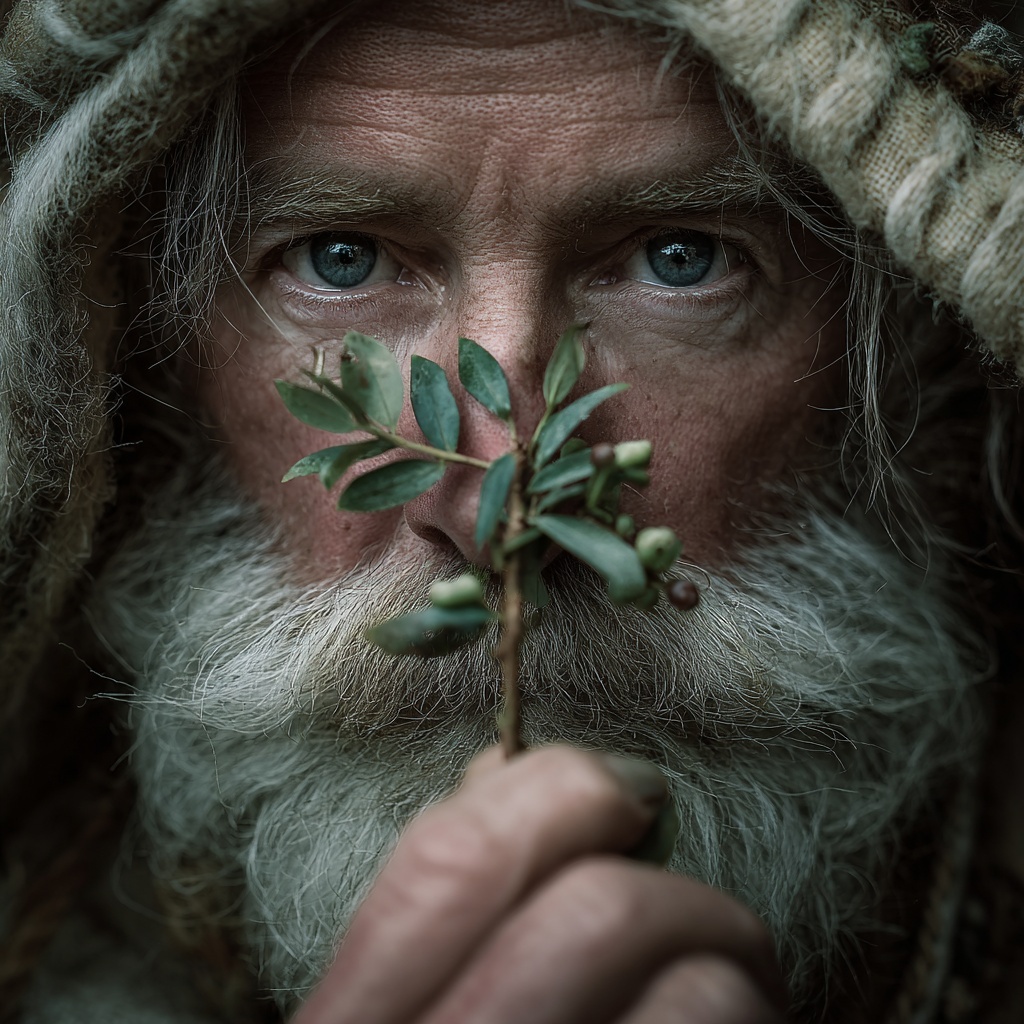
Kissing beneath the mistletoe is a common Christmas tradition today, but its roots go back thousands of years to ancient Britain. Celts saw the plant as a symbol of vivacity and fertility because it grew off of oak trees and remained green long after the other leaves had fallen each winter. In "Naturalis Historia," which was written around 77 C.E., Pliny the Elder noted that the Druids "esteem nothing more sacred than the mistletoe and the tree on which it grows" and detailed the fertility rituals that took place beneath the plant — rituals that had transformed into a simple kiss by the Middle Ages.
Pliny the Elder, Naturalis Historia (Book XVI, Chapter 95)
An extant Latin text translated into English preserves the description that:
- Druids — the name given to the magicians among the Gauls
- held nothing more sacred than mistletoe and the tree it grew on (usually oak)
- gathered mistletoe with great religious ceremony
- sacrificed two white bulls
- believed mistletoe, if taken in drink, would impart fertility to barren animals and act as an antidote to poisons. ref
You can read a full English translation of this passage online in transcriptions of Pliny’s Natural History at resources such as the Perseus Digital Library and the Loeb Classical Library (these are real primary-source editions), which show the Latin and a parallel English rendition. ref
Summary from secondary sources
Several modern summaries (including Wikipedia and scholarly sites) note the same details:
- Pliny recounts Druids performing ritual harvests of mistletoe on oak trees with a golden sickle, followed by sacrifice and beliefs about fertility. ref
English paraphrase of Pliny’s passage ref
Historical Uses of Mistletoe
Historical uses span herbal remedies, folklore, and ritual:
- Traditional herbal medicine used mistletoe for arthritis, high blood pressure, epilepsy, and infertility over centuries.
- In folk practices, mistletoe was regarded as a symbol of vitality and fertility, and often featured in seasonal traditions like kissing under mistletoe due to its association with vigor and life in winter.
- Ancient herbalists and folk practitioners used mistletoe in preparations believed to counter poisons or treat nervous system conditions like epilepsy, ulcers, and neural complaints.
- Viscum album (European mistletoe) appeared in European herbal medicine for circulatory and respiratory issues, sometimes brewed as tea or used in tonics for blood pressure before modern medicines.
- traditional uses in various cultures include treatments for diabetes, constipation, arthritis, backache, and pain relief with different Viscum species.
(These are historical or traditional applications, not all validated by modern clinical evidence.)
Modern Uses of Mistletoe Extracts
Today mistletoe continues to be studied and used, especially in complementary and alternative medicine:
- Mistletoe extracts are commonly studied as adjunctive (supportive) therapy in cancer care, especially in Europe where extracts like Iscador and Helixor are used clinically (typically by injection).
- Preclinical and early clinical research indicates mistletoe preparations may stimulate the immune system and improve quality-of-life factors (e.g., reduced pain, fatigue) for cancer patients, though evidence is mixed and not universally accepted.
- Some research continues into mistletoe’s cardioprotective and potential anti-inflammatory properties, particularly with Viscum album extracts affecting blood pressure and cardiovascular parameters.
- Mistletoe products are available as oral supplements or injectable formulations depending on region, often with structured dosing protocols in complementary medicine clinics.
(Note: Contemporary medical organizations like the National Cancer Institute clearly state that mistletoe extracts are used widely but are not approved as standard cancer treatments in places like the U.S. because documented evidence of benefit is lacking. )
Toxicity and Safety Profile
Mistletoe is a poisonous plant, and toxicity varies by species and preparation:
- Viscum album (European mistletoe) contains viscotoxins and toxic lectins that can inhibit protein synthesis and are very poisonous in concentrated form.
- Phoradendron species (American mistletoe) contain phoratoxins, and while many exposures result in mild or no symptoms, ingestion can still cause gastrointestinal upset and other effects.
- Eating any part of the plant—leaves, stems, or berries—can lead to mistletoe poisoning, with symptoms including nausea, vomiting, abdominal pain, weakness, and CNS effects; serious toxicity and fatalities are possible especially with European mistletoe.
- Large doses can cause bloody diarrhea, emesis, convulsions, coma, and potentially death if consumed or improperly prepared.