![[back]](/assets/home_24dp_E3E3E3_FILL0_wght400_GRAD0_opsz24.svg "[back]")
![[search]](/assets/search_24dp_E3E3E3_FILL0_wght400_GRAD0_opsz24.svg "[search]")
Acacia
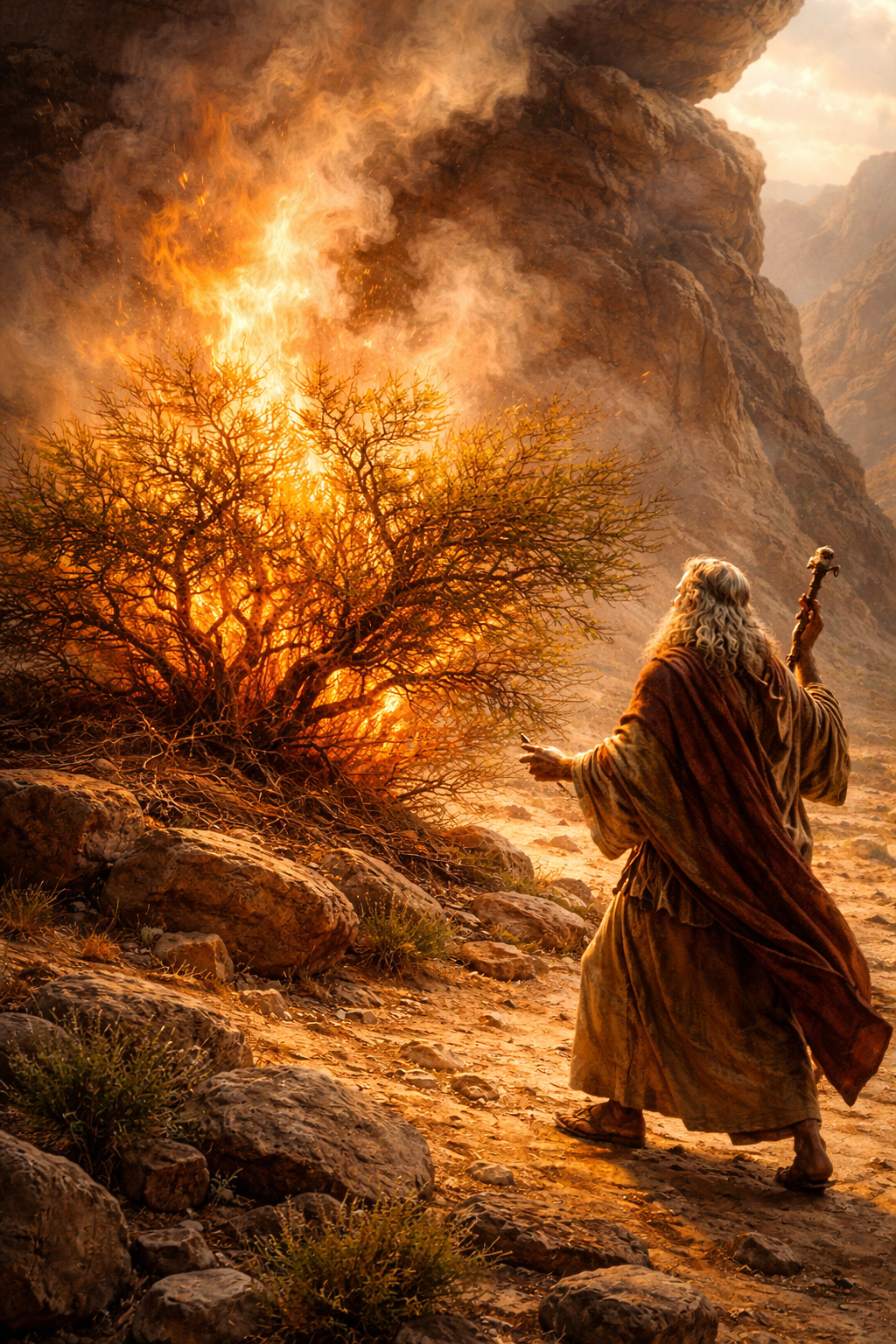
Burning an Acacia bush releases it's DMT alkaloids
The results of breathing the vapors are auditory and visual hallucinations
Some acacia species contain the psychoactive alkaloid DMT. If released via combustion, inhaled DMT can induce brief but intense visual and auditory alterations in perception.
In Ancient Greek Texts
Acacia products (especially gum and astringent extracts) show up as practical pharmaka: binding, cooling/astringent, useful across topical and internal preparations. Dioscorides’ description of acacia material is as “astringent and cooling,” which aligns with how ancient pharmacology classifies many gums and resins.
Dioscorides’ De materia medica is the central Greek pharmacopeia of the period and includes extensive treatment of gums/resins (acacia among them), framing them by preparation and bodily effect.
In the biblical texts
Acacia and ayahuasca share a surprising chemical connection: DMT. In the 1990s, researchers identified dimethyltryptamine - a powerful psychoactive alkaloid - in several species of acacia. That finding prompted some scholars to reconsider traditional readings of certain ancient texts. One of the more well-known proposals comes from Benny Shanon, a psychologist at the Hebrew University of Jerusalem, who suggested that acacia’s psychoactive potential - possibly combined with Syrian Rue, which contains MAO inhibitors - could offer a naturalistic framework for visionary experiences described in the story of Moses and the burning bush.
The Burning Bush in the Greek Septuagint
The episode appears in Exodus 3 in the Greek Septuagint (LXX). The key term used for the bush is:
βάτος — bramble, thorn-bush
In the Sinai/Negev region, acacia species (especially Acacia tortilis and related thorn trees) are among the dominant bramble-type flora. The LXX does not use a specific botanical species label beyond βάτος, but the ecological setting makes acacia a plausible and even likely candidate.
The LXX text reads:
καὶ ὤφθη αὐτῷ ἄγγελος Κυρίου ἐν φλογὶ πυρὸς ἐκ τοῦ βάτου·
καὶ ὁρᾷ ὅτι ὁ βάτος καίεται πυρί, καὶ ὁ βάτος οὐ κατεκαίετο.
καὶ εἶπεν Μωυσῆς· παρελθὼν ὄψομαι τὸ ὅραμα τὸ μέγα τοῦτο,
διὰ τί οὐ κατακαίεται ὁ βάτος. (3:2–3)
And a messenger of the Kurios appeared to him in a flame of fire out of the bush; and he sees that the bush burns with fire, and the bush was not being consumed. And Moses said, 'Having turned aside, I will behold this great vision, why the bush is not burned up.'
καὶ εἶδεν Κύριος ὅτι προσέρχεται ἰδεῖν,
καὶ ἐκάλεσεν αὐτὸν Κύριος ἐκ τοῦ βάτου λέγων·
Μωυσῆ Μωυσῆ. (3:4)
“And the Lord saw that he came near to see, and the Lord called to him from out of the bush, saying, ‘Moses, Moses.’”
Happening with Acacia, a plant which holds DMT that releases and will affect the lungs, when burned.
Three elements are important:
- Fire (φλογὶ πυρός)
- Audio and Visual manifestation (ὤφθη / ὁρᾷ)
- Non-consumption of the plant
The bush is actively burning, yet structurally intact, implies something in the mind of the beholder, rather than physically happening.